
Promotions
||Store||NEW
Contact

Be 100% Prepared for All Medical Emergencies in the Workplace
Medical
The Only Medical Emergency Application Your Company Needs
EUAlert!™ coordinates the victims of critical emergencies, including cardiac arrests, to trained responders and AEDs.
The victim needs an AED and CPR within 4 minutes to have a chance at survival.
Proven Impact
Federal Aviation Administration (6-year study):
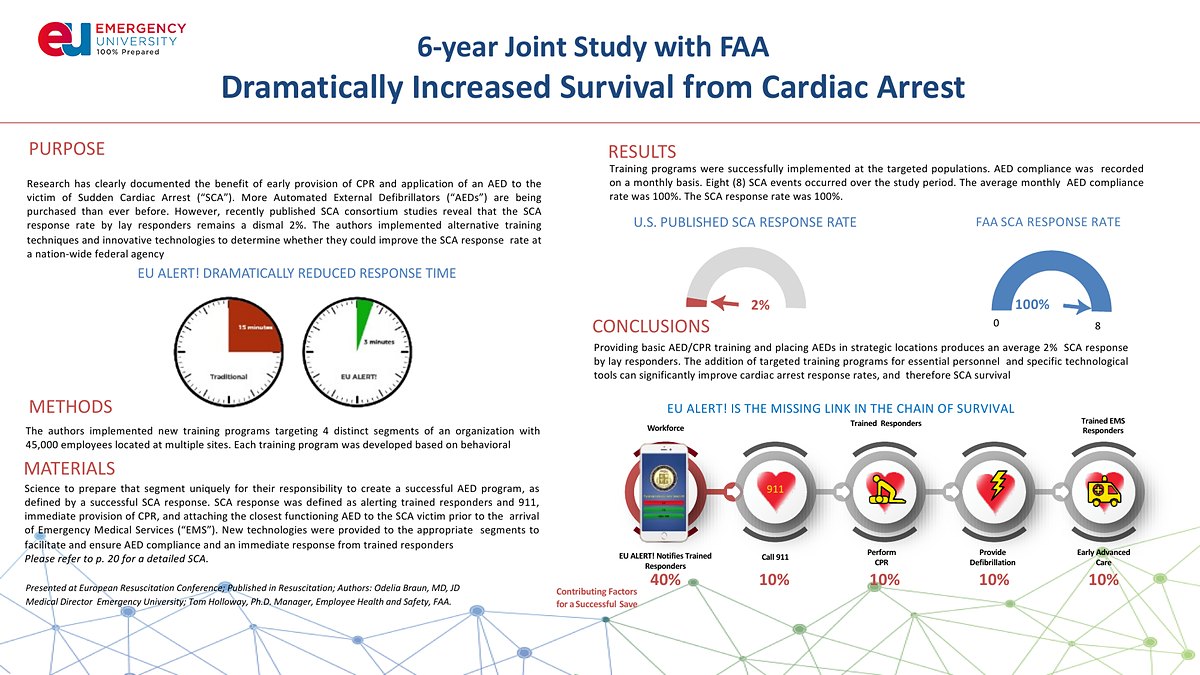
Reduced time to defibrillation from 15 minutes to 3 minutes
Contact UsThe Challenge
90% of the Workforce Is Untrained
Every minute of every day, someone in the United States dies of sudden cardiac arrest (SCA).
The average number of trained responders in a workforce rarely exceeds 10 percent. In a cardiac arrest, 90 percent of possible responders are not trained or able to offer assistance.
Average Workforce Trained in CPR/AED
Key Capability
Instant Medical Emergency Alerts
Mission Benefit
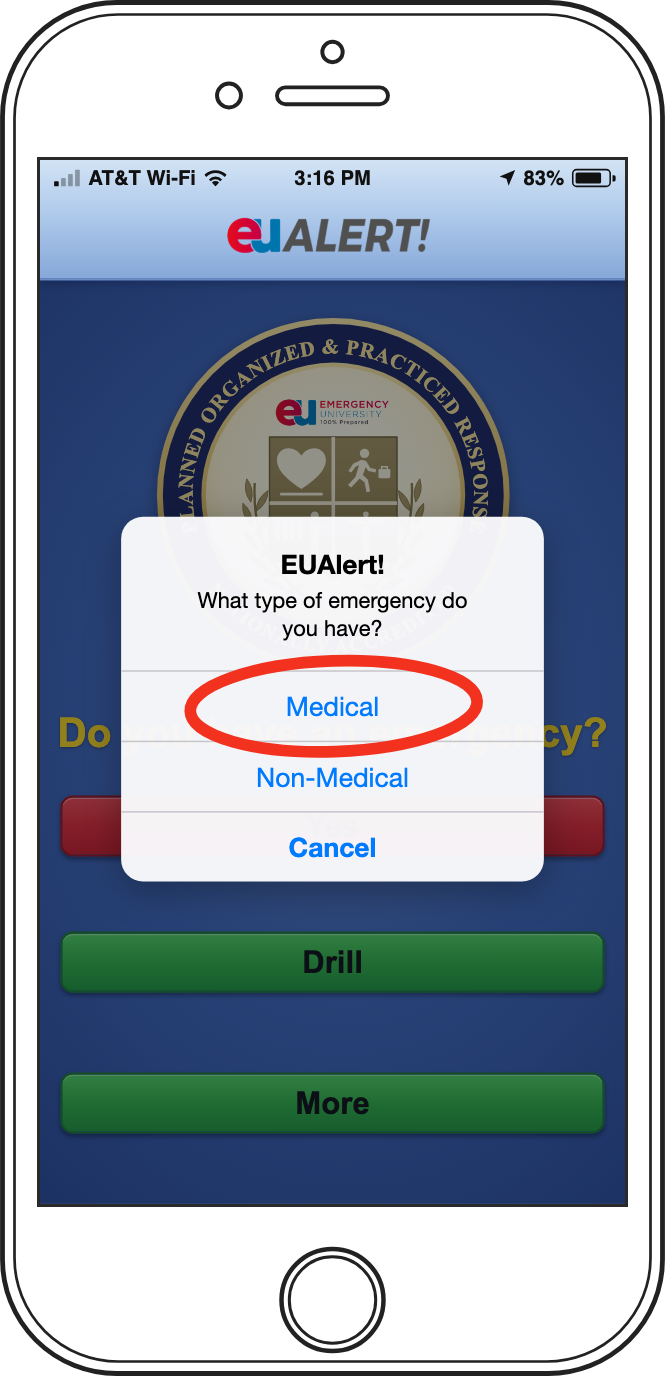
Enter your location, such as the floor and office.
Select Medical as the type of emergency.
Send an alert to the trained responders in your building.
Key Capability
Trained Responder Notification
Mission Benefit
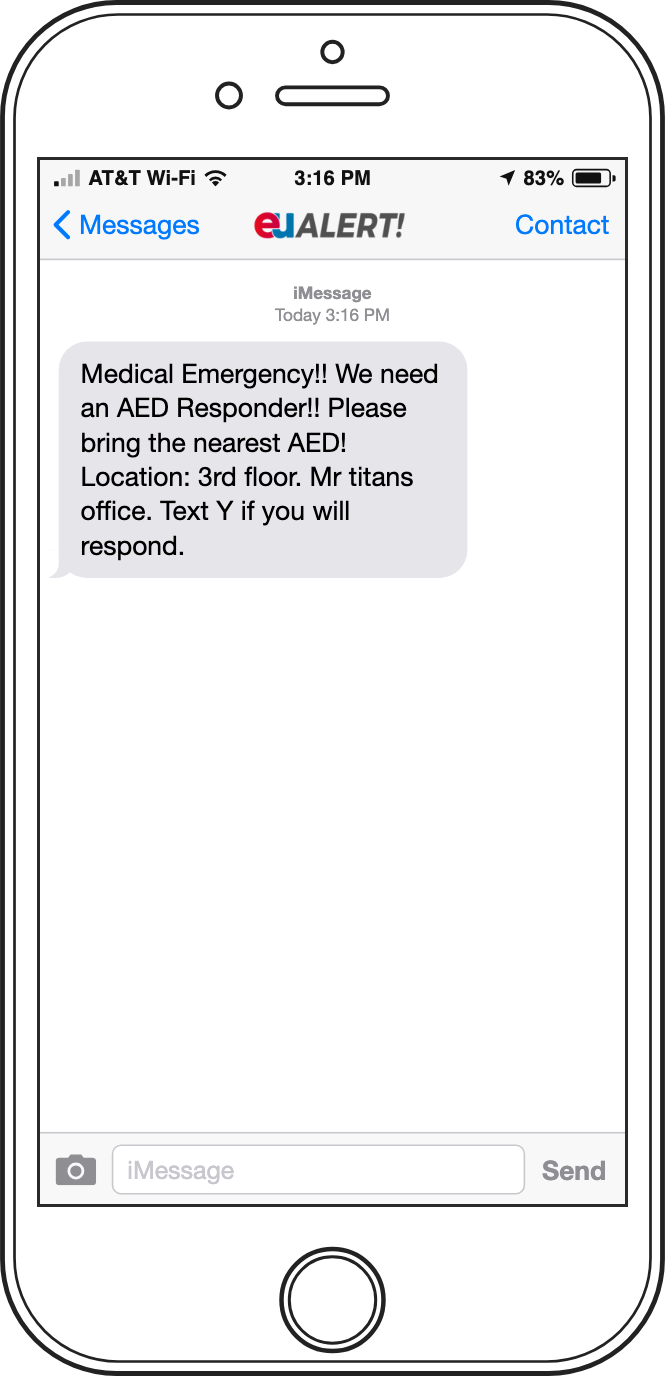
Trained responders receive the emergency text message.
Responders text “Y” to acknowledge that they are coming.
Key Capability
Nearest Functioning AED
Mission Benefit
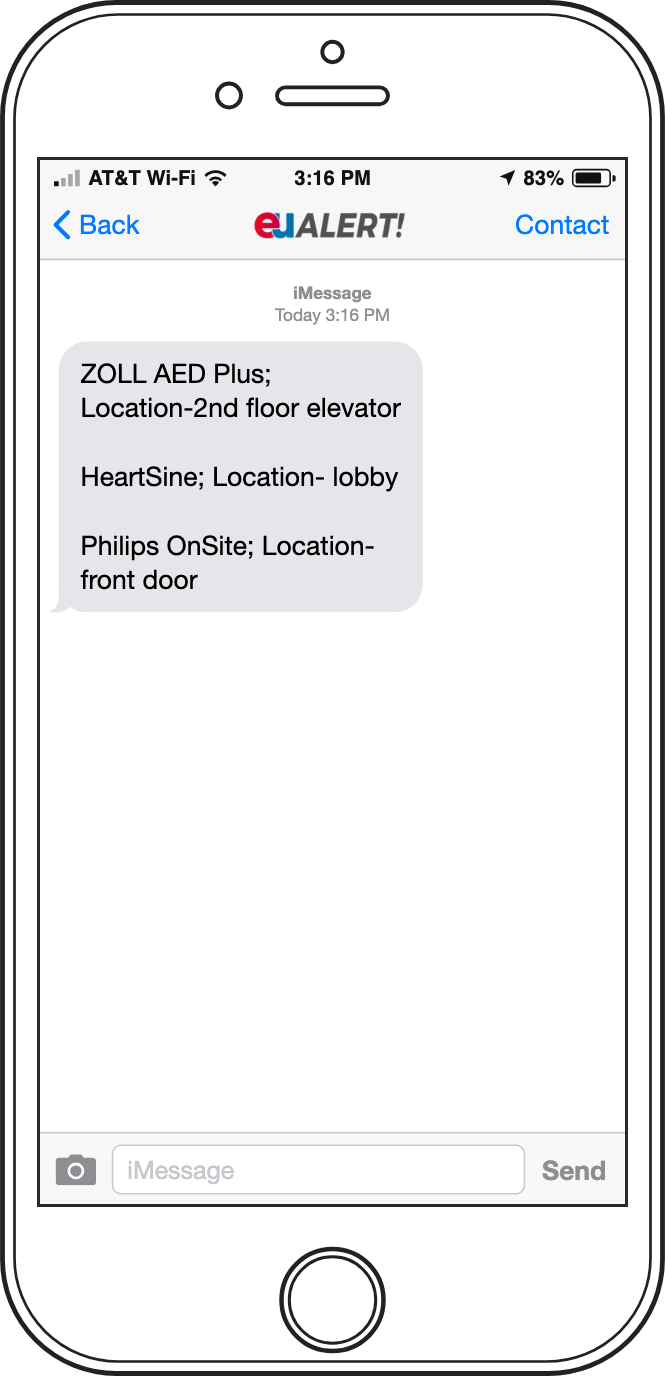
Responders are informed of the location of the nearest functioning AED.
Each AED is listed by model and location.
Key Capability
Call 911 from the App
Mission Benefit
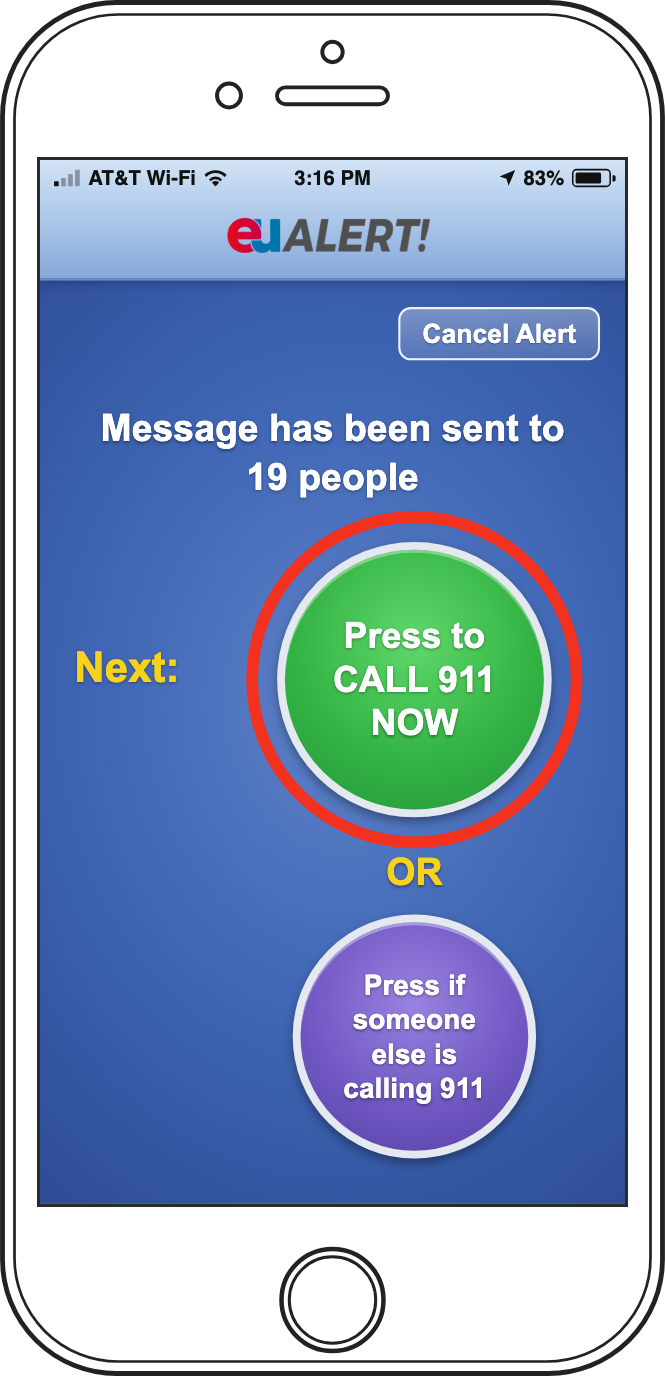
The app confirms how many people received the alert.
Call 911 directly from the app.
Proven Impact
Achieving Predictable Outcomes
Mission Benefit
A predictably successful SCA response that saves lives.
Bystander CPR and an AED applied before EMS arrives.
Bystander CPR and a shock from an AED within four minutes quadruple the victim’s chance of survival.
SCA Response Rate*
SCA Survival RateWitnessed Sudden Cardiac Arrests
*SCA Response = Bystander CPR + Application of AED prior to arrival of EMS
Case Study
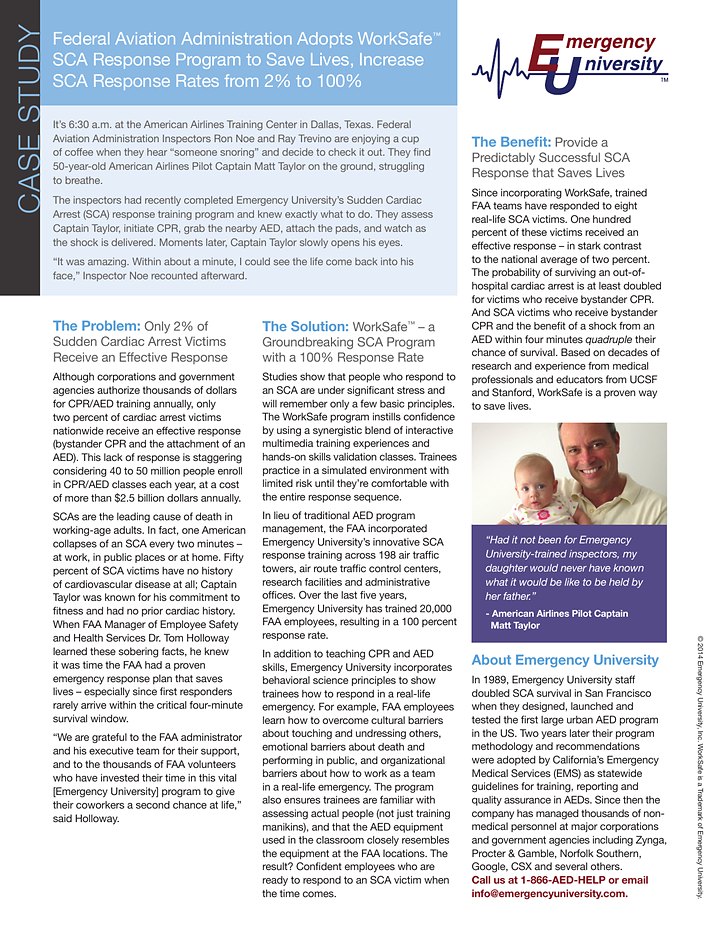
Federal Aviation Administration Adopts WorkSafe™ SCA Response Program
Only two percent of sudden cardiac arrest victims nationwide receive an effective response: bystander CPR and the attachment of an AED.
The FAA incorporated Emergency University’s SCA response training across 198 air traffic towers, air route traffic control centers, research facilities and administrative offices. Emergency University has trained 20,000 FAA employees, resulting in a 100 percent response rate.
“Had it not been for Emergency University-trained inspectors, my daughter would never have known what it would be like to be held by her father.”
American Airlines Pilot Captain Matt Taylor
Case Study
6-Year Joint Study with the FAA
Emergency University and the FAA studied SCA response at a nationwide federal agency over six years, recording AED compliance every month.
EUAlert!™ dramatically reduced response time and proved to be the missing link in the chain of survival: notify trained responders, call 911, perform CPR, provide defibrillation and early advanced care.
Publication
Published in the Journal of Resuscitation
Providing basic AED/CPR training and placing AEDs in strategic locations produces an average 2% SCA response by lay responders. The addition of targeted training programs for essential personnel and specific technological tools can significantly improve cardiac arrest response rates, and therefore SCA survival.
Presented at the European Resuscitation Conference.
EUAlert!™ empowers private and public-sector organizations to respond faster, communicate smarter, and protect more lives, all from a single, user-friendly platform.
Contact UsJournal of Resuscitation
Abstract AP162 · Page S85
Incorporating innovative technologies and addressing behavioral factors to improve SCA response
Tom Holloway, Odelia Braun, Frank Poliafico
Emergency University and the Federal Aviation Administration
- 45,000employees across multiple sites
- 100%AED compliance
- 100%SCA response rate
Press

EU Presents at Citizen CPR FoundationJanuary 1st

The Difference Between Life and DeathJanuary 1st
